
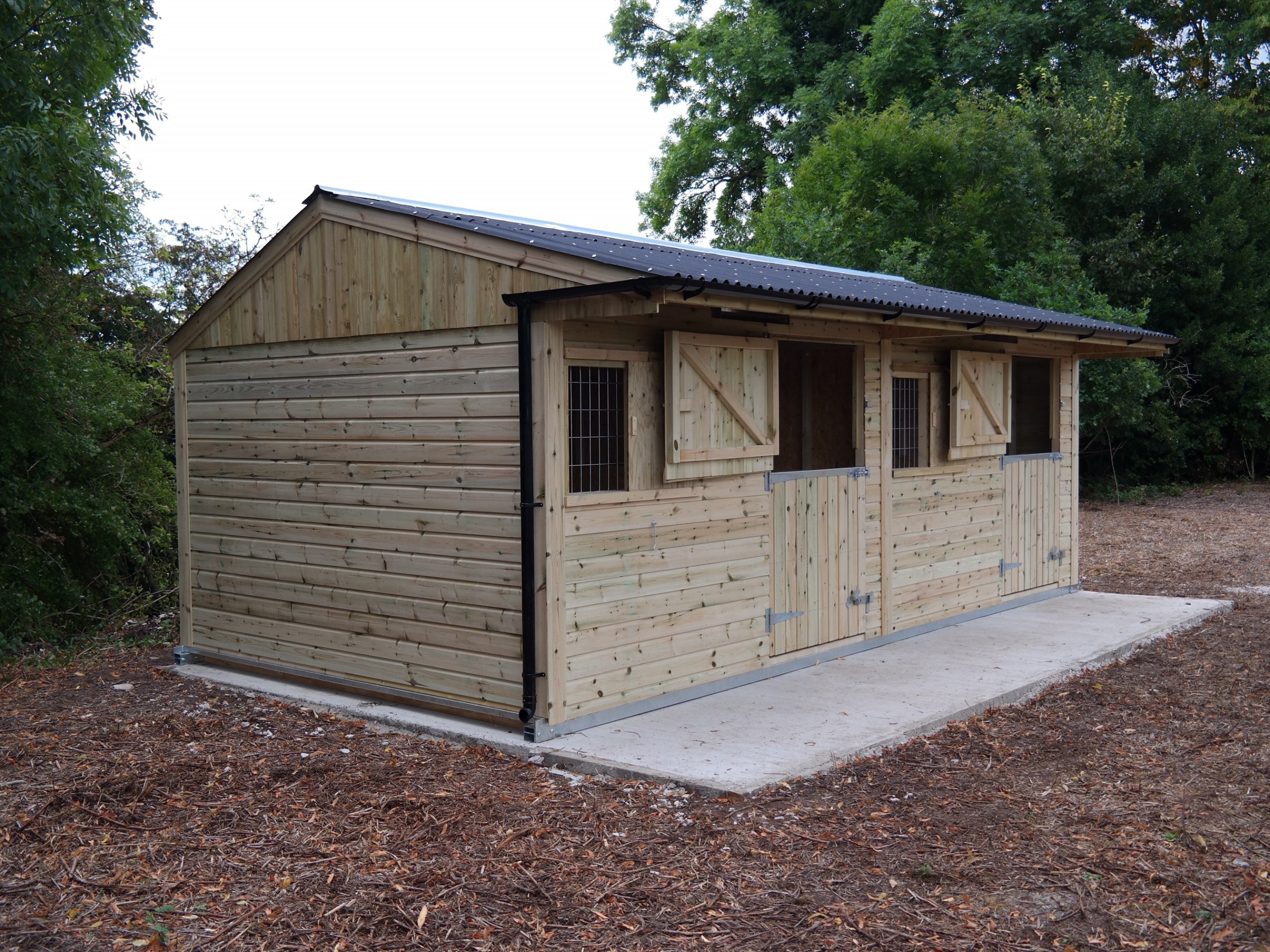
Mobile or fixed horse stables: Which is the best option for you?
Choosing between mobile and fixed horse stables is one of the first — and most important — decisions horse owners face when setting up or upgrading their yard. The right choice depends on how you keep your horses, the land you have available, your long-term plans, and whether flexibility or permanence matters most to you.
Having designed and built both mobile and fixed timber stables for a wide range of private yards and professional equestrian facilities, we’re often asked: Which is better? The honest answer is that neither option is universally better — it’s about what suits your circumstances.
Below, we break down the pros and cons of each, followed by practical advice to help you decide.
Mobile Horse Stables
Mobile stables are freestanding timber buildings designed to be repositioned when required. They are typically constructed on pressure-treated timber skids, allowing them to be moved using suitable machinery.
Pros of Mobile Stables
1. Greater flexibility
Mobile stables are ideal if your setup may change. Whether you rotate grazing, move yards, or anticipate relocating in the future, mobile buildings can move with you.
2. Often easier planning requirements
In many cases, mobile stables can fall outside full planning permission requirements, particularly when used temporarily or moved periodically. While this isn’t guaranteed, it can simplify the process for some owners.
3. Faster installation
With no permanent foundations required, mobile stables can usually be installed quickly, causing minimal disruption to your land.
4. Ideal for private and small-scale use
They’re a popular choice for private horse owners, small paddock setups, or first-time stable installations.
Cons of Mobile Stables
1. Size and expansion limitations
Mobile stables are typically limited to individual units or small blocks. If you plan to significantly expand your yard in the future, fixed stables may offer greater scalability.
2. Access to permanent services
While mobile stables can be connected to water and electricity, doing so permanently can be more complex than with fixed buildings, particularly where drainage or hardstanding is required.
3. Limited layout options
Mobile stables are typically standalone units or small blocks, which can restrict design flexibility compared to fully fixed yard layouts.
Fixed Horse Stables
Fixed stables are permanently installed buildings, usually constructed on concrete bases and designed as long-term equestrian facilities.
Pros of Fixed Stables
1. Long-term durability
Fixed stables are built to last. With proper foundations and construction, they offer exceptional strength, stability, and longevity.
2. Greater design flexibility
From traditional stable blocks to U-shaped yards, American barns, and integrated tack rooms, fixed stables allow for far more customisation.
3. Professional appearance
For larger yards, livery businesses, or competition facilities, fixed stables can create a polished, professional look that adds value to the property.
4. Better integration with services
Permanent water, electricity, drainage, and hardstanding areas are easier to incorporate into fixed stable designs.
Cons of Fixed Stables
1. Planning permission usually required
Fixed stables almost always require planning approval, which can add time and complexity to the project.
2. Higher initial investment
Groundworks, concrete bases, and permanent installation typically make fixed stables more expensive upfront.
3. No flexibility to relocate
Once installed, fixed stables are there for good — which may not suit owners with changing land use or uncertain long-term plans.
Which Option Is Right for You?
Mobile Stables May Suit You If:
- You’re a private horse owner with a small number of horses
- You want flexibility or may move in the future
- You’re setting up a yard for the first time
- Planning permission is uncertain or you need a quicker solution
Fixed Stables May Suit You If:
- You’re developing a long-term yard or equestrian business
- You want a custom layout with additional rooms or facilities
- You require permanent utilities and hardstanding
- You’re investing in the long-term value of your property
A Practical Middle Ground
In some cases, a hybrid approach works well — starting with mobile stables and transitioning to fixed buildings as needs evolve. This allows owners to establish a functional yard quickly, while planning for a more permanent setup in the future.
Final Advice
The best stable solution is one that works for your horses, your land, and your future plans. Taking the time to assess how you’ll use your yard both now and in years to come can save costly changes later on.
If you’re unsure which option is right for you, speaking with an experienced equestrian building specialist can help clarify the best path forward — ensuring your stables are practical, compliant, and built with horse welfare at the heart of the design.
Looking for tailored advice? Our team designs and builds both mobile and fixed timber stables, and we’re always happy to help you explore the best option for your setup.